

Mobility products must respond to people, technical systems and operating conditions. We develop the design around those relationships, from vehicle exteriors to equipment used around a journey.
Mobility
(Mobility & Transportation)
Mobility products must respond to people, technical systems and operating conditions.
- Use and environmental condition mapping.
- Ergonomic zones and interaction hierarchy.
- Structural integration and component interfaces.
- Service access and maintenance considerations.
- Material, assembly and production feasibility.
- Prototype evaluation planning.
What mobility delivery typically includes
- Use and environmental condition mapping.
- Ergonomic zones and interaction hierarchy.
- Structural integration and component interfaces.
- Service access and maintenance considerations.
- Material, assembly and production feasibility.
- Prototype evaluation planning.
What you receive
- A definition of the system and its constraints.
- Industrial design intent and integration notes.
- Service and manufacturing assumptions.
- Prototype findings and unresolved risks.
- A handoff package with the relevant decision history.
Why mobility design needs domain experience
We coordinate with engineering and supplier teams to understand load, exposure and integration requirements. The design scope remains distinct from any testing or certification required for the finished product.


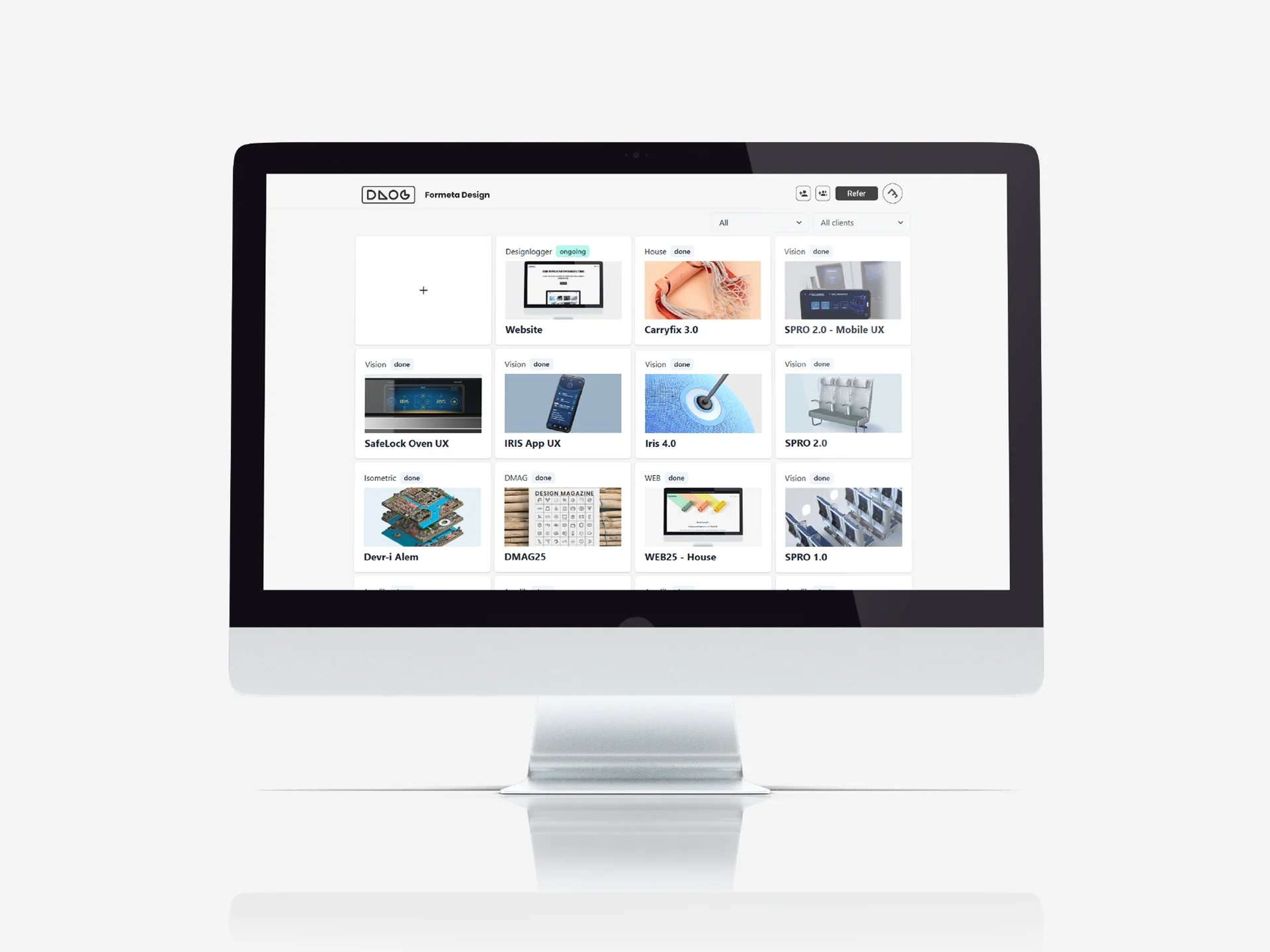
Delivered via Designlogger
Project phases, decisions and shared references.
Designlogger records the phases, decisions and references shared through the project.
Book a 15-minute introduction call to review your product, scope and next step.