

A connected product needs its enclosure, sensing components and interface to work within the same design direction. We map those relationships before treating the physical and digital parts as separate deliverables.
Smart Systems
(IoT & Smart Devices)
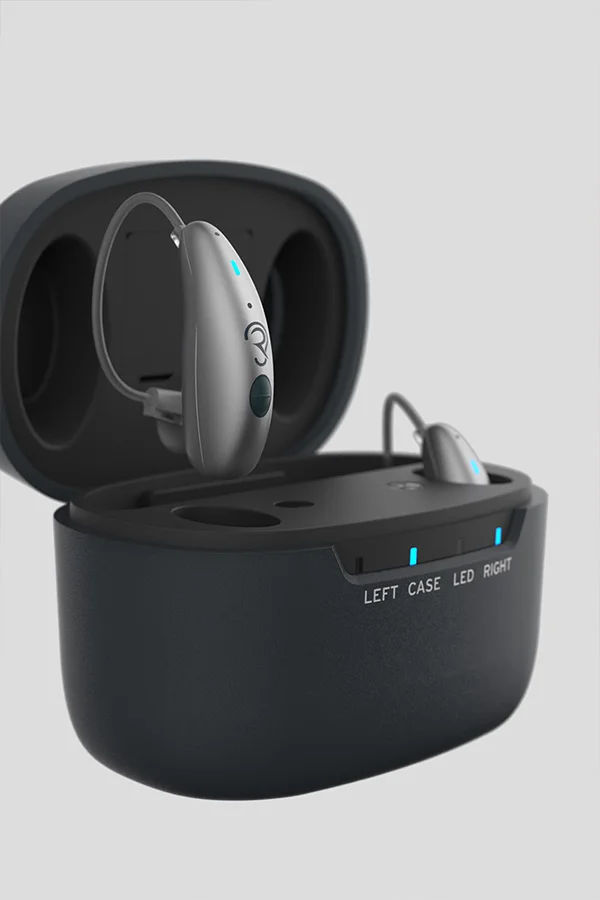
A connected product needs its enclosure, sensing components and interface to work within the same design direction.
- Hardware and digital interaction architecture.
- Enclosure design around antennas, sensors and thermal constraints.
- LED feedback and product state communication.
- Companion interface flows and recovery paths.
- Assembly, service access and manufacturing considerations.
What IoT delivery typically includes
- Hardware and digital interaction architecture.
- Enclosure design around antennas, sensors and thermal constraints.
- LED feedback and product state communication.
- Companion interface flows and recovery paths.
- Assembly, service access and manufacturing considerations.
What you receive
- An overview of the system and user interaction.
- Enclosure design intent and integration zones.
- State logic and interface documentation.
- Engineering notes, prototype findings and dependencies.
- A supplier or developer handoff suited to the scope.
Constraints that matter in IoT
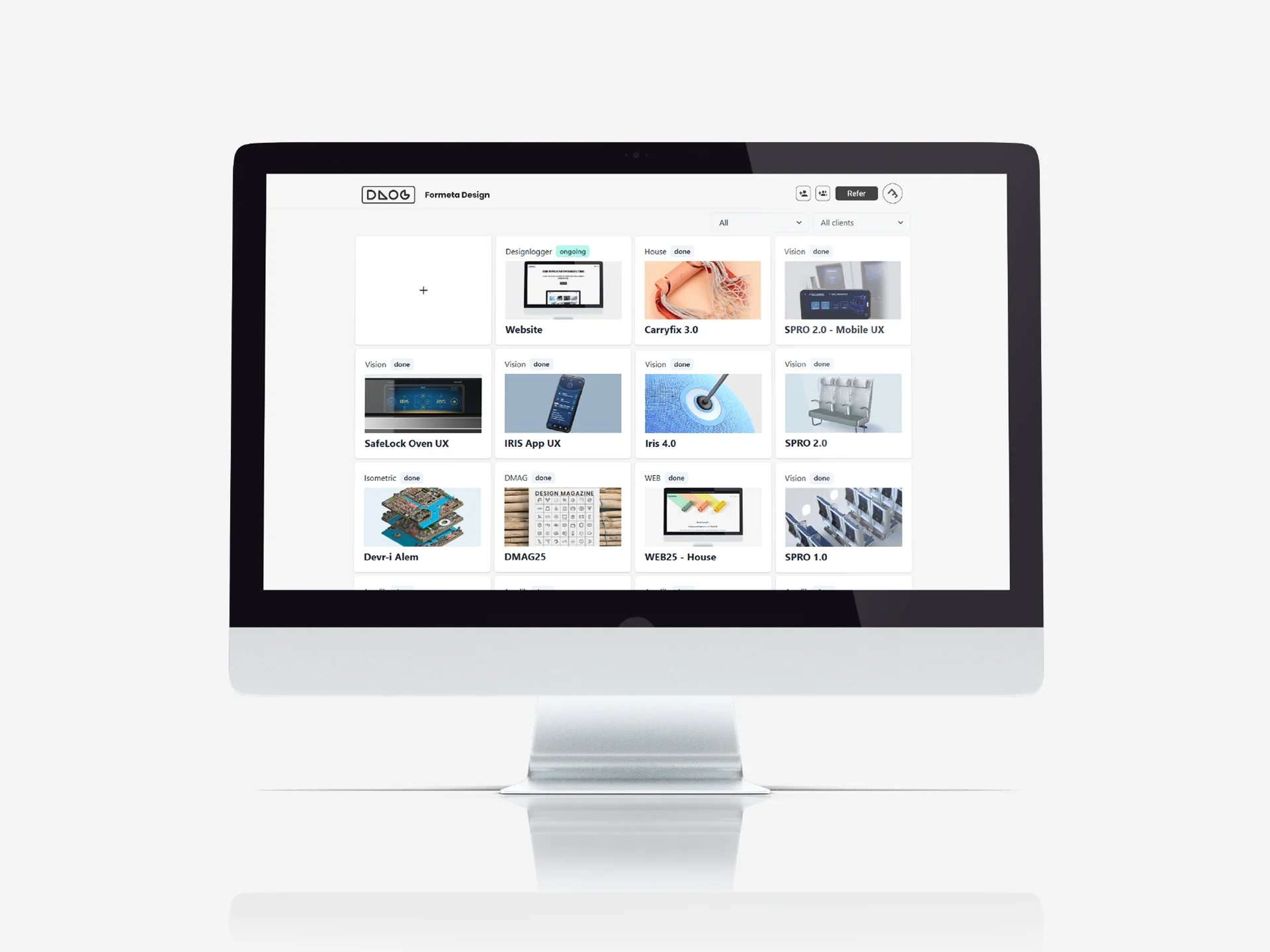
The product team reviews changes across disciplines, since an enclosure decision can affect component layout and an interface decision can affect firmware behaviour. Designlogger keeps these decisions in the project record.



Delivered via Designlogger
Project phases, decisions and shared references.
Designlogger records the phases, decisions and references shared through the project.
Book a 15-minute introduction call to review your product, scope and next step.