
Segmentation creates clarity around who you are building for and what drives adoption. We help teams define meaningful segments, validate opportunity areas, and translate insights into product priorities. This supports stronger product-market fit and reduces wasted iterations.

Market Segmentation
Define your audience, focus the roadmap, and strengthen product positioning.
- Clarify target segments and user motivations
- Improve roadmap focus and feature prioritization
- Align stakeholders with decision-ready positioning
Why segmentation matters
Without segmentation, teams often build for “everyone,” which results in diluted messaging and unclear priorities. For startups, segmentation helps focus limited time and budget on the best initial wedge. For enterprise teams, segmentation supports clearer portfolio decisions, internal alignment, and more predictable product strategy.
Key outcomes:
- Clear target and adoption drivers
- Stronger prioritization and scope discipline
- Better product narrative for stakeholders
What we deliver
- Market segmentation map (needs-based or behavior-based)
- Target definition (ideal customer / user profile)
- Motivations and pain points by segment
- Opportunity sizing direction (qualitative or mixed)
- Positioning direction (who it’s for, why it matters)
- Feature priority implications (what to build first)
How we segment
- Needs-based segmentation (jobs, pain points, constraints)
- Behavior-based segmentation (usage patterns, context)
- Value-based segmentation (willingness, adoption triggers)
- Switching and friction analysis (what prevents adoption)
- Differentiation mapping (why users choose alternatives)
From segmentation to product decisions
Segmentation should not remain a presentation. We convert segmentation outputs into direct execution guidance, including UX priorities, product requirements, and design direction. This helps teams build the right product for the right audience.
- Priority features per segment
- UX flow decisions and edge-case expectations
- Industrial design constraints and context usage
- Messaging priorities for brand strategy






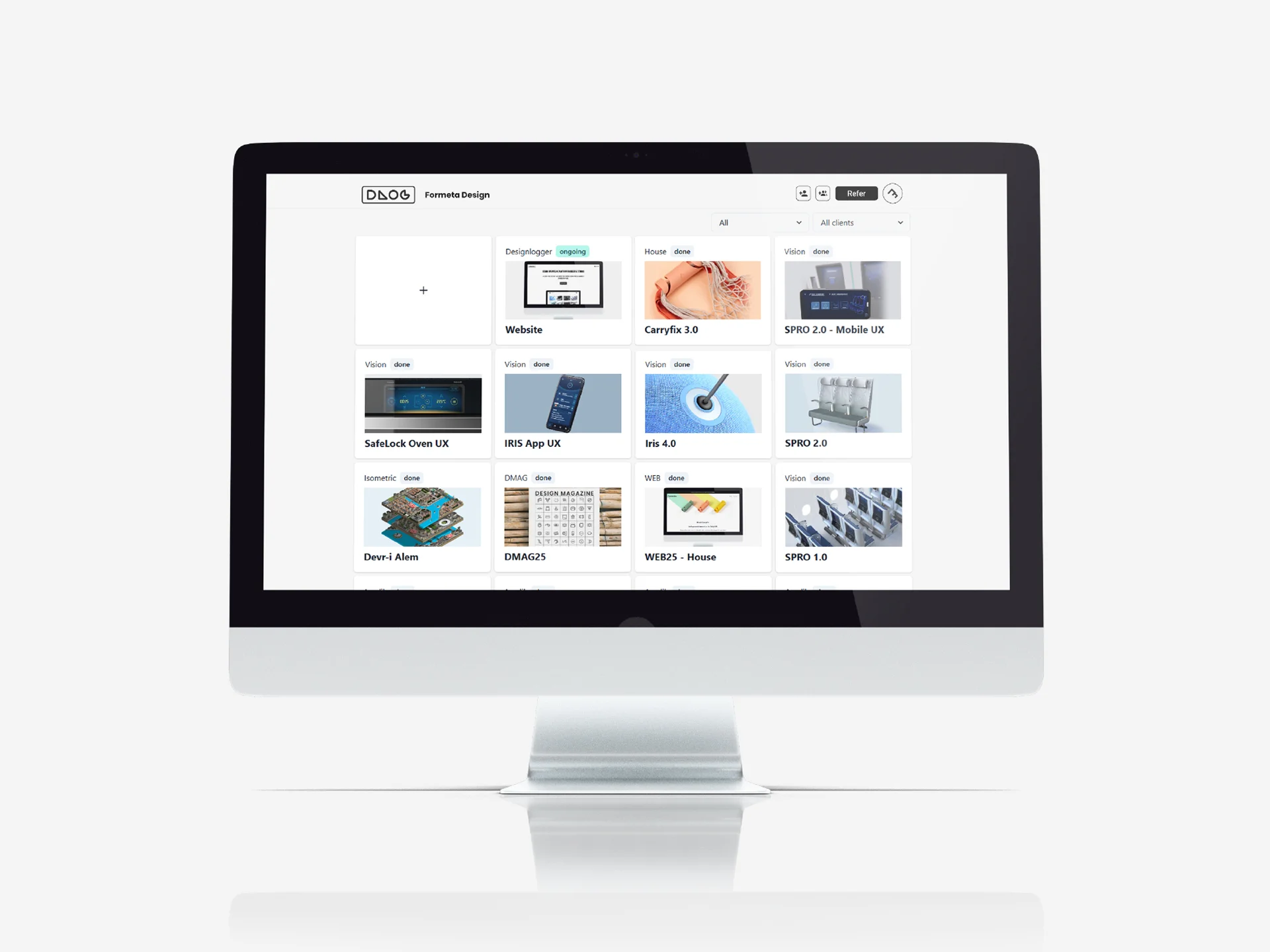
Delivered via Designlogger
Structured outputs with traceable decisions.
All segmentation outputs are documented in Designlogger with clear versioning and approval history. This supports stakeholder alignment and enables smoother transitions into execution workstreams.
Need sharper focus for product direction?
Book a 15-minute introduction call to discuss your product, target users, and segmentation approach.